How It Works

A more human way to learn.

Dementia Reality™ combines immersive 360° virtual reality with guided education to create engaging, interactive training experiences. Experienced master trainers lead groups of up to 10 participants through focused modules, followed by facilitated discussions that deepen understanding and support practical application.


A Guided Learning Experience

Three Perspectives. One Goal: Better Understanding.

Dementia Reality™ guides learners through a structured, immersive experience designed to deepen understanding of dementia and strengthen practical skills for real-world care.

Trainees are eligible to earn continuing education units (CEUs) after completion of the course.

First Scenario

Step 1: Observation

Participants observe a caregiver providing care in ways that may not effectively support a person living with dementia, highlighting how caregiving approaches can influence the care experience.

First Scenario

Label

Step 2: Application

Participants revisit the same scenario as the caregiver uses more intentional, supportive communication and care techniques, demonstrating how person-centered approaches can improve interactions and outcomes.

Label

Step 3: Understanding

Participants engage with immersive simulations designed to deepen understanding of challenges that people living with dementia may experience. Through guided learning and reflection, participants explore how communication approaches, care interactions, and environmental factors can shape a person's experience and influence well-being.

youtube-video-thumbnail

A Meaningful Difference in Care.

Our Modules

Each module demonstrates how communication, caregiving approaches, and environmental factors can influence the experience of a person living with dementia. Through realistic scenarios and guided discussion, participants learn practical strategies for supporting individuals more effectively in everyday care situations.

Whether assisting with dressing, personal care, dining, medication management, or activities, learners explore how small changes in approach can lead to more positive interactions and better outcomes.

Examples include supporting a resident who prefers to wear the same clothing each day, adapting communication for someone experiencing changes in vision or perception, and helping dining staff recognize opportunities to support nutrition and engagement better.

Explore Our Dementia Reality™ Modules.

Cropped shot of a mature man brushing his teeth in his bathroom at home, daily routine.

Module #1 Activities of Daily Living
Explore essential daily activities, sensory and cognitive changes, safety considerations, and effective communication strategies that support more compassionate caregiving.
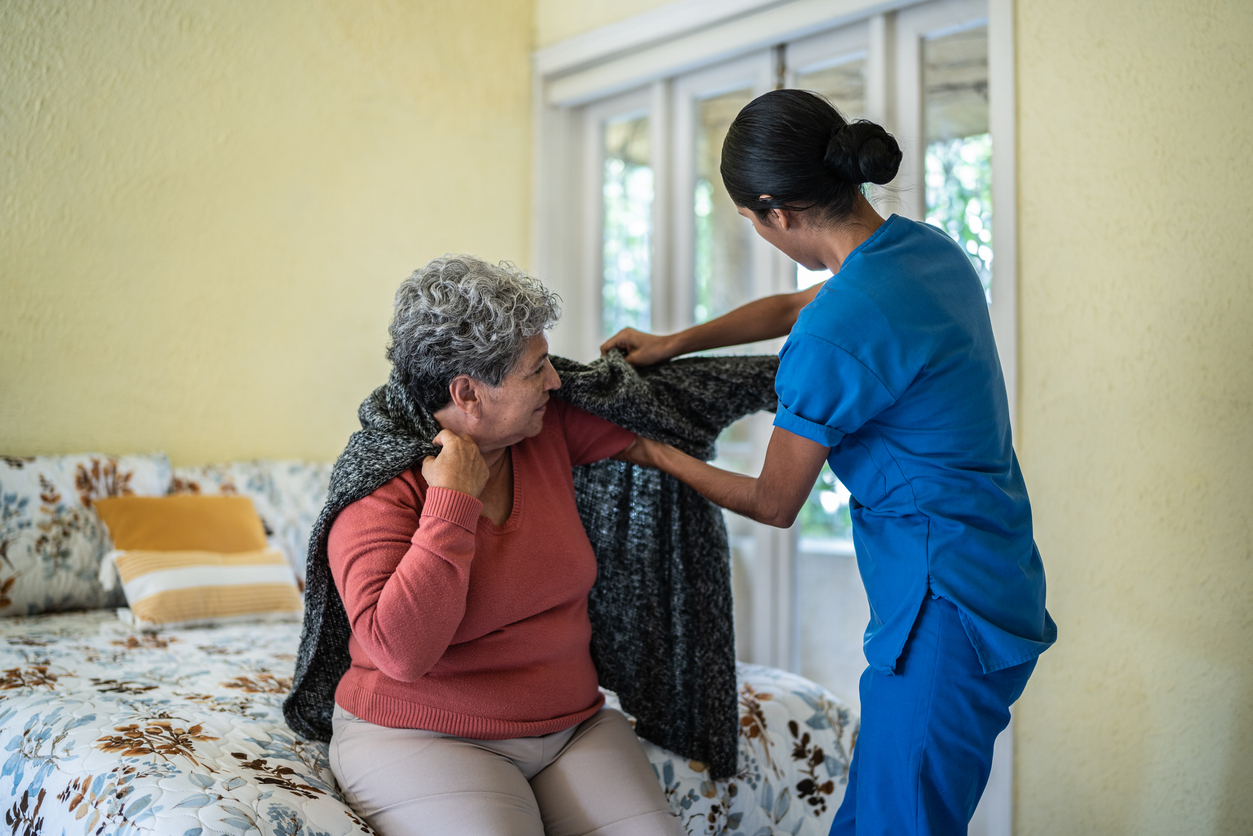
Mid adult nurse helping senior woman dress shirt in bedroom at nursing home

Module #2 Challenges in Activities of Daily Living
Explore supportive approaches to daily tasks, challenging behaviors, hallucinations and delusions, with an emphasis on meeting individuals where they are and using redirection effectively.
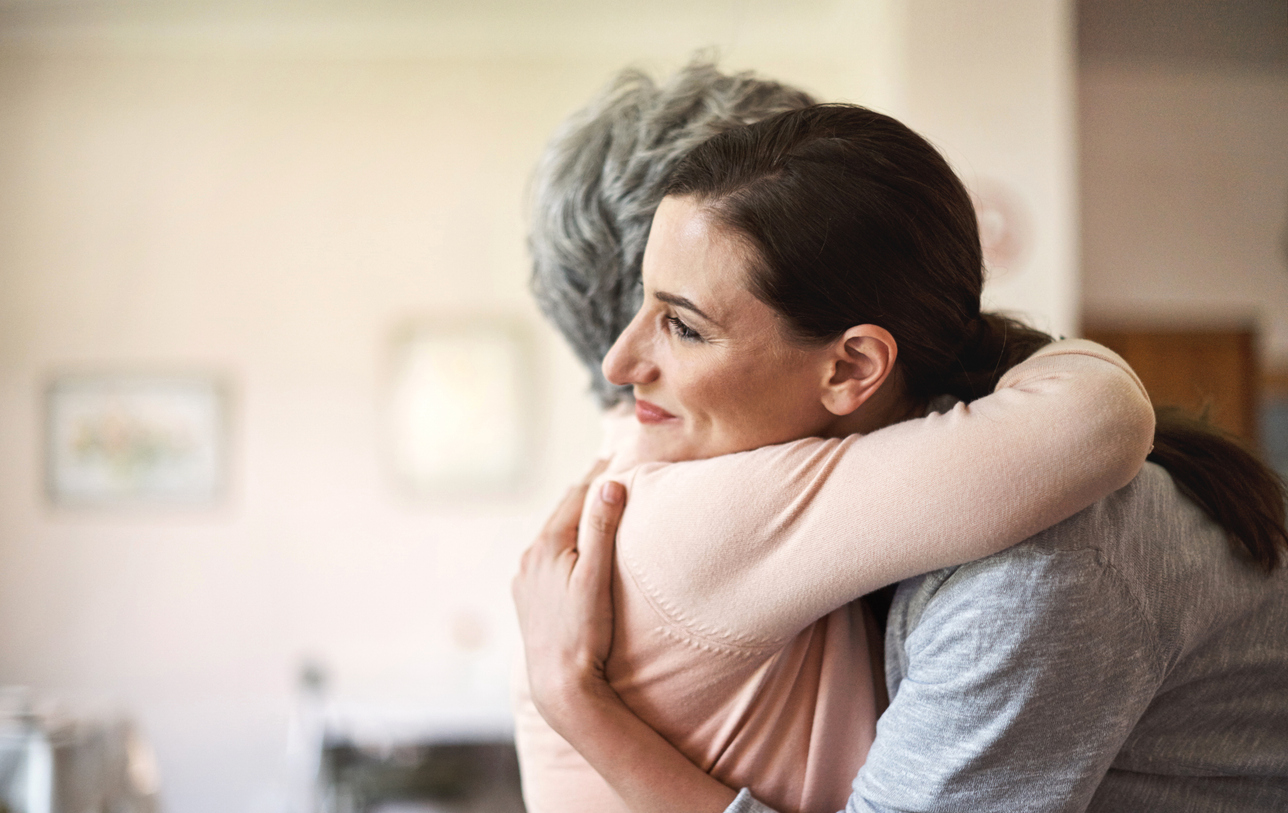
Shot of a young nurse hugging a senior woman in a retirement home

Module #3 Managing Behavioral Shifts

Learn strategies for responding to behavioral and cognitive changes, prioritizing safety, using redirection effectively, and compassionately managing elopement, hallucinations and delusions.
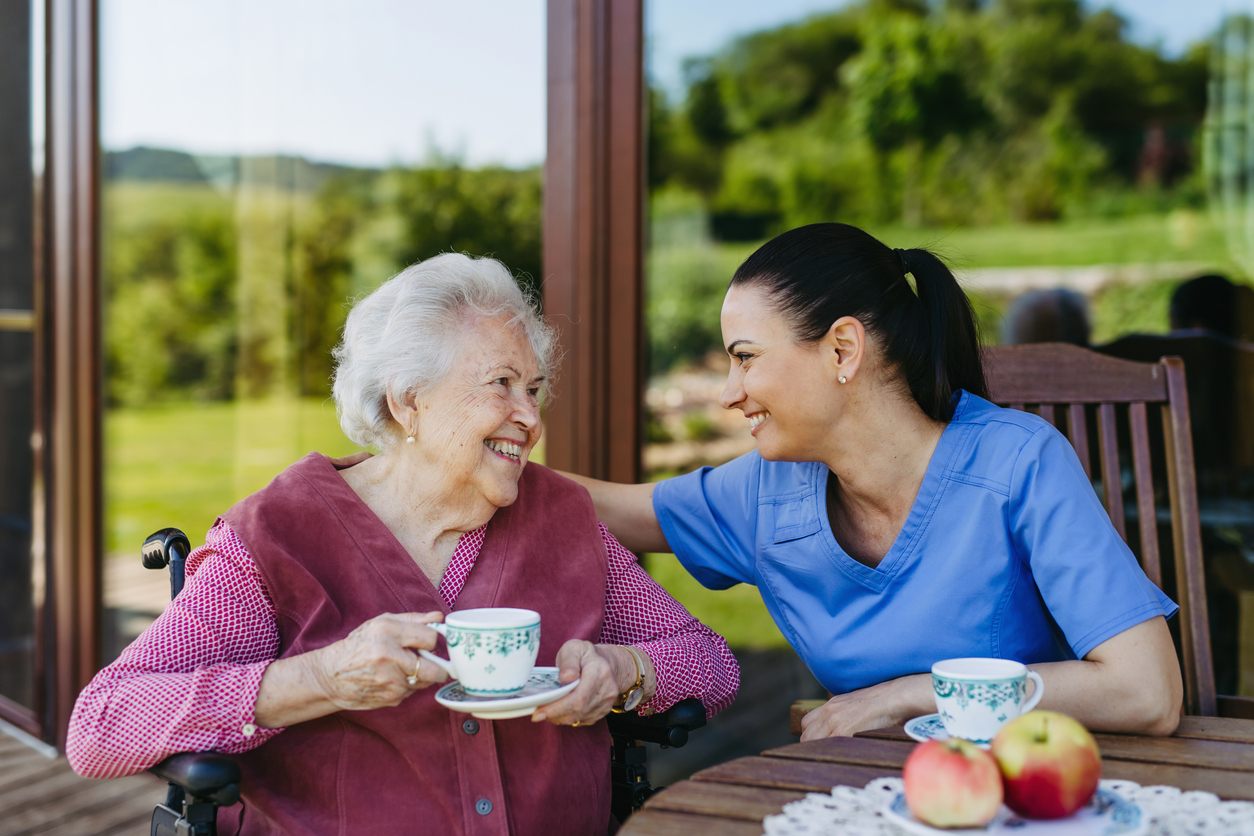
Caregiver spending time with elderly woman, drinking coffee, talking. Nurse and senior woman in wheelchair enjoying a warm day outdoors.

Module #4 Dining Services

Learn to identify behavioral triggers and safety concerns using person-centered knowledge, especially in busy environments. Explore how cognitive, visual and auditory changes affect communication, and develop supportive strategies that strengthen safety, teamwork and relationships with residents.
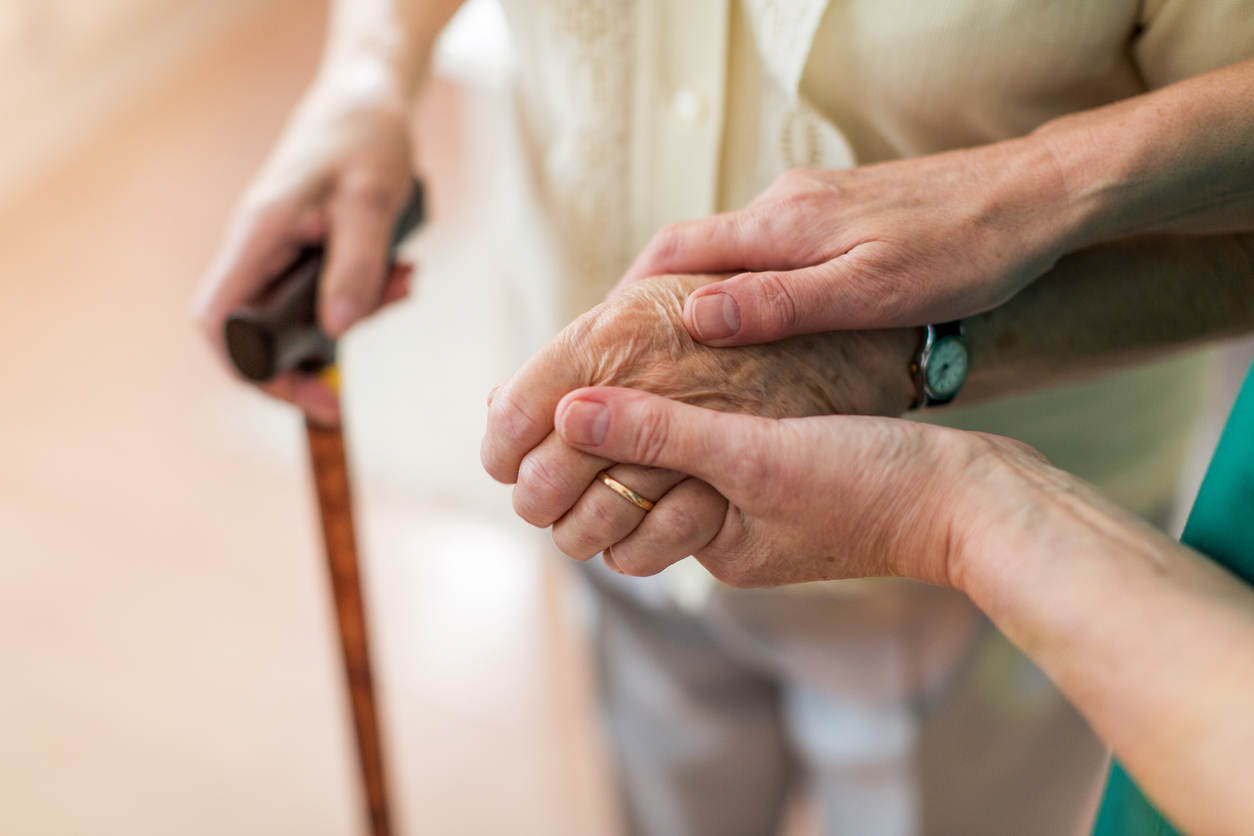
Nurse consoling her elderly patient by holding her hands

Module #5 Life Enrichment and Activities Staff

Explore how Alzheimer’s and other dementias affect verbal and nonverbal communication, and learn to recognize early signs of agitation. Use person-centered knowledge to respond with intention, develop meaningful and appropriate activities, and effectively redirect behaviors when needed.
Cropped shot of an attractive young woman sitting and explaining financial documents to her grandmother in their home

Module #6 Social Workers

Learn supportive strategies for helping people with dementia navigate daily activities and challenging behaviors. By understanding each person’s cognitive stage, identity and preferences, caregivers can use empathy, person-centered care and redirection to create more meaningful interactions and improve quality of care.

Stay Connected

Get the latest dementia education, resources, events, and advocacy updates delivered straight to your inbox.